
Emetophobia Therapy in Washington
Exposure-based treatment for the fear of vomiting is offered online to adults living in Washington. This supportive work happens in the very places where the fear tends to occur, like the kitchen, car, and restaurant, making it as practical and comforting as possible, right where it matters most.
You are not afraid of being sick. You are afraid of not being able to stop it.
Most people who contact me about emetophobia have already realized that the fear is disproportionate. That insight has not helped. You still check expiration dates twice. You still sit near the aisle. You still run the calculation to determine whether that sensation in your stomach is hunger, nerves, or the beginning of something. You may not have vomited in fifteen years, and the streak itself has become something to protect.
What usually brings people to a first call is not the fear itself but the size of the perimeter around it. Meals are narrowed to a safe list. Travel declines. A job change is turned down because it involves flying. A pregnancy is postponed. Children’s illnesses are handled by someone else in the house, if there is someone else in the house.
This page is about getting that treated while you are in Washington. It does not re-explain the disorder from scratch. If you want the full clinical picture, the mechanism, and the evidence base, that is on my main guide to emetophobia therapy for adults. What follows is how the treatment actually runs when the sessions are online and you are in Seattle, Spokane, or somewhere with no specialist within driving distance.
Why this is hard to get treated, in Washington or anywhere
Emetophobia is common enough that most clinicians have encountered it, yet specific enough that most have not treated it deliberately. As a result, I hear a familiar pattern in intake stories.
- It gets labeled as something else, such as generalized anxiety, health anxiety, a stomach problem, or picky eating. The treatment then targets the label rather than the avoidance.
- It is treated with reassurance. A caring therapist who tells you that you are very unlikely to vomit is, functionally, performing the compulsion with you. Relief arrives, and the fear is confirmed as something that needed relieving.
- Exposure is offered in a diluted form. Talking about the fear, or imagining it once, is not the same as systematically approaching the sensations and situations you have been avoiding.
- Referral loops. Gastroenterology finds nothing; the primary care provider suggests anxiety; the anxiety clinician defers to the medical question; and the person is left running the loop themselves.
None of that is a Washington-specific problem. What Washington adds is geography. Specialist practices cluster around the Puget Sound corridor, and if you are in the Columbia Basin, the Olympic Peninsula, or anywhere east of the Cascades, an in-person specialist may simply not exist within a reasonable drive. That is the gap telehealth is genuinely good at closing.
How exposure works when the sessions are online
This is the part most people are surprised by, and it is why I think emetophobia is one of the better fits for telehealth rather than a compromise version of care.
Emetophobia does not live in a therapy office. It lives in your refrigerator, your bathroom, your commute, the break room at work, and the restaurant you have stopped recommending. In an office-based model, we would spend the hour talking about those places, and then you would go home to face them alone. Online, we are already there.
Interoceptive work, in your own body, on camera
A large part of emetophobia is fear of the sensations that precede vomiting rather than the event itself. So we deliberately produce those sensations and let them happen without rescue: spinning, breath-holding, tensing the abdomen, quick position changes, whatever maps onto what you actually monitor for. You make a specific prediction first, we run it, and you compare the prediction to the outcome. I am on the call while it happens, which is the point.
Food and eating exposures in your own kitchen
Your safe list is in your house. So is everything you cut. We can plan a session around opening the refrigerator, reading a date label and eating the food anyway, trying a texture you dropped years ago, or eating past the point where you normally stop to check how your stomach feels. Doing that with your own food, in your own kitchen, at your normal mealtime is closer to the change we are trying to make than any office exercise.
Situational practice between sessions, where you live
Between sessions, the work moves into the places the fear has been shaping: the grocery store, a restaurant, a ferry, a long drive, a crowded room, and being around someone who is unwell. We plan those in advance and review what actually happened afterward. The environment is yours, so the learning transfers instead of staying in a clinic.
What I am honest about
Video has limits. I cannot hand you something or drive with you, and if a session requires a specific in-person setting, we plan it as between-session practice rather than pretending it happened live. Some people also find that an online format makes it easier to avoid the harder exposures, because the camera can be turned away. I raise this early, and we build the plan so it is visible when it starts happening.
Medical rule-out and working with your providers
Nausea is a real symptom with real causes, and treatment does not ask you to ignore it. Reflux, gastroparesis, migraine, thyroid problems, medication side effects, pregnancy, and several other conditions produce the sensations that emetophobia monitors for. If you have not had a medical evaluation, I will encourage one before or alongside exposure work.
The complication is what happens after a clear result. For many people, the reassurance lasts only a few days, and then doubt returns. Repeat appointments, symptom checking, and body checking become part of the cycle rather than the exit from it. Part of my job is helping you act on the medical information you already have instead of seeking a level of certainty no test can provide.
When a medical condition and emetophobia genuinely coexist, which is common, I coordinate with your physician or gastroenterologist in Washington to ensure that exposure work fits your situation. Nothing on this page constitutes medical advice.
If it might be something adjacent
Three presentations overlap with emetophobia and change what treatment targets. A short orientation here, with the full comparison on its own page.
Emetophobia and OCD
Both involve intrusive fear and compulsive relief seeking. The distinction is usually in the shape of the feared outcome and the rituals built around it. See emetophobia versus OCD.
Emetophobia and ARFID
When food avoidance has narrowed intake enough to affect weight, nutrition, or growth, the eating pattern itself may need to be a treatment target. See emetophobia versus ARFID.
Constant nausea
Many people with emetophobia feel nauseated most of the time and read it as evidence the feared event is close. There is a straightforward explanation for that loop, covered in why emetophobia makes you nauseated.
If anxiety shows up in other forms as well, the anxiety disorders hub maps the related presentations, and OCD therapy in Washington covers that pathway for adults in the state.
Online emetophobia therapy across Washington
I hold a Licensed Mental Health Counselor (LMHC) license in Washington, which allows me to provide telehealth therapy to adults physically located in the state during each session. I conduct all sessions over secure video. This practice does not have a physical office in Washington.
This means clients can join me no matter where they are in the state, in places like Seattle, Tacoma, Spokane, Vancouver, Bellingham, Olympia, Yakima, the Tri-Cities, or even smaller communities where finding a local specialist for fear of vomiting might be difficult. All you need is a private space, a reliable internet connection, and to be in Washington at the time of our meeting.
I am also licensed in Texas and New Hampshire and registered as an out-of-state telehealth provider in Florida, so an existing client who moves between those states can usually continue without interruption. If you are unsure whether your situation qualifies, ask during the consultation.
Fees and insurance for Washington clients
Sessions are $200 for 60 minutes, private pay. I am also in network through Headway for UnitedHealthcare, Anthem, and Aetna plans; Headway verifies your benefits and bills your plan, so your actual cost depends on your coverage. Full details are on the fees and insurance page.
Before any of that, a free 15-minute consultation lets you describe what has been happening, ask what exposure would involve in your case, and decide whether this is the right fit. There is no obligation and no charge for that call.
Working with me
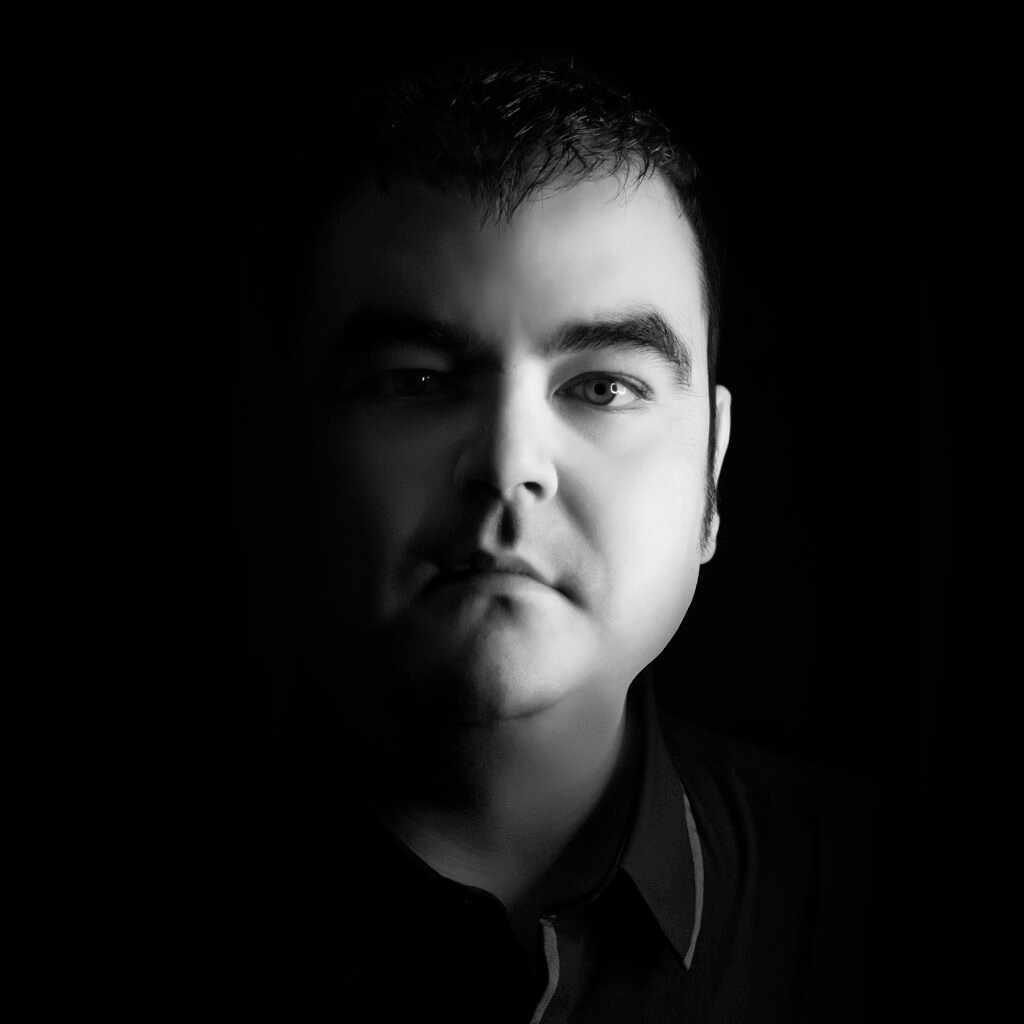
I am Felix Murad, a licensed counselor with 10 years of clinical experience treating anxiety, OCD, and phobias. I run a small solo practice, so the person you speak with on the consultation call is the person you work with in every session. There is no intake team and no handoff.
A first course of work usually goes like this. We start with an assessment of what you specifically fear, what you avoid, what you do to feel safe, and what you have already given up, along with screening for OCD, restrictive eating, and other anxiety problems, because the plan depends on getting that right. We build a shared formulation, then design exposures together, in an order you agree to and at an intensity you set. I use inhibitory learning principles rather than waiting for anxiety to drop, and I integrate acceptance and commitment work when the struggle against the sensation has become the problem. Progress is tracked with the same measures we started with, so we can both see what is changing.
You will always know what an exposure is for before you do it. I explain the rationale, you agree to it, and nothing happens by surprise. More on the method in the ERP therapy guide and ACT, and on how I measure progress in how we know therapy is working.
Individual results vary. Treatment works best when the plan matches what is actually maintaining the fear, which is why I do not start exposure with anyone until I understand that.
Questions Washington clients ask
The perimeter does not have to keep growing.
If the fear of vomiting has been quietly setting the terms for your meals, travel, and plans, a free 15-minute consultation is a low-cost way to learn what treatment would involve. You do not need to have it figured out before you reach out.
Felix Murad, M.Ed., LMHC (WA), LPC-S (TX), CMHC (NH), NCC · Licensed Mental Health Counselor in Washington · Telehealth for adults in Washington, Texas, and New Hampshire, and in Florida through out-of-state telehealth registration
Please remember, everything on this page is meant for educational purposes and not as therapy, assessment, or diagnosis. Simply reading it does not establish a counselor-client relationship. If you are in crisis right now, you can call or text 988 (the Suicide and Crisis Lifeline) for support, or go to your nearest emergency department.